 Social Robotics
Where social robots are used
Social robots work best where a patient, consistent, always-available partner helps people do something they already want to do. Here are the main areas, what robots do there, and what the evidence says.
Eldercare and loneliness
Ageing populations and shortages of care workers make eldercare the area governments and investors watch most closely, particularly in Japan, Korea, Europe and the US.
What robots do: conversation and companionship for people living alone, reminders for medication, appointments and drinking water, prompts to stay active, video calls with family, simple cognitive games, and check-ins that can alert relatives or carers if something seems wrong. ElliQ is the best-known example of a robot built specifically for older adults living at home.
What the evidence says: studies generally report that many older users enjoy companion robots and use them regularly, and some report reduced feelings of loneliness. But many studies are small and short, and it is hard to separate the robot's effect from the novelty and from the extra human attention that comes with taking part in a study. The strongest case is for robots as a complement to human contact, not a replacement.
Dementia care
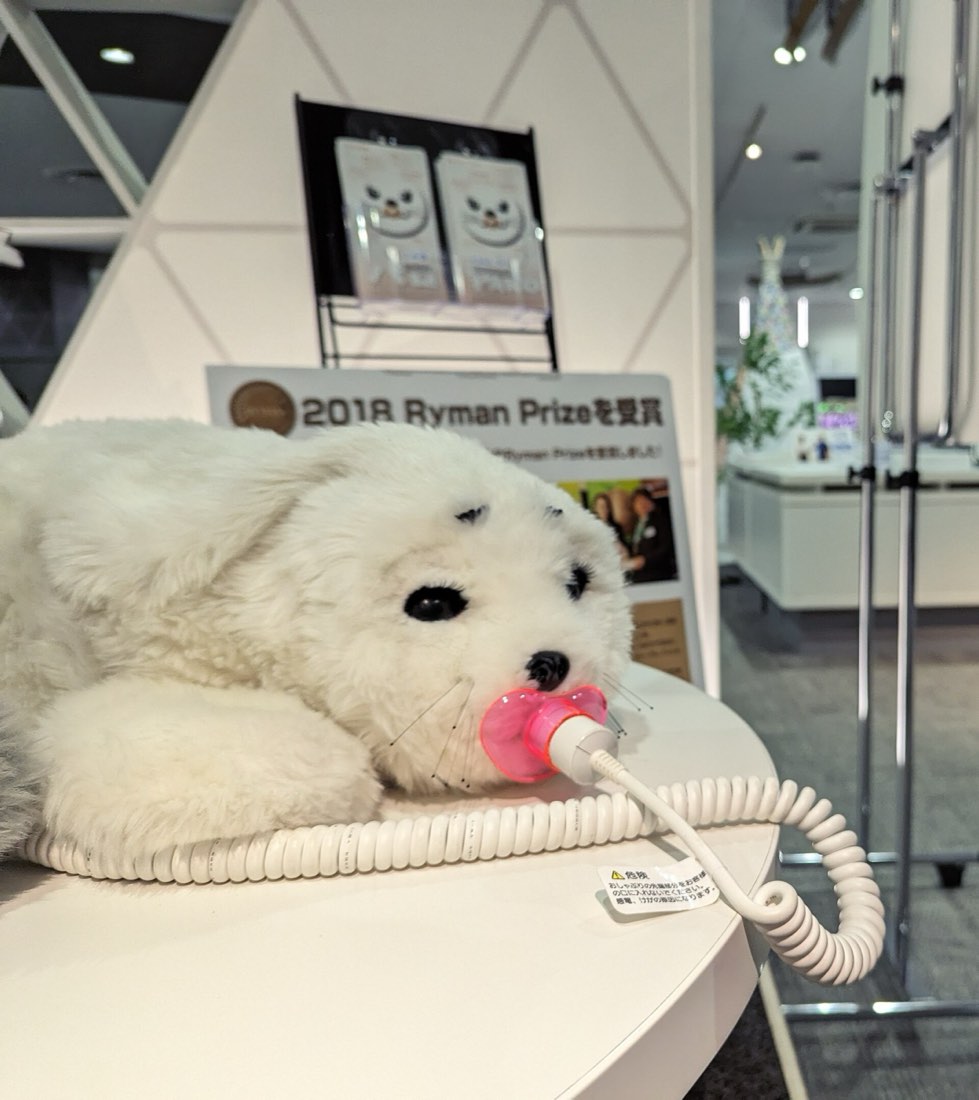
The robotic seal Paro is the most studied social robot in the world. It responds to touch, voice and being held, and has no speech, so it does not require the user to follow a conversation.
What robots do: provide a calming focus, reduce agitation, prompt social interaction between residents and staff, and offer comfort to people who can no longer engage with more complex activities. Paro has been used in this way in care homes in many countries.
What the evidence says: trials have reported reductions in agitation and improvements in mood for some residents, and some care homes report using fewer calming medications. Results vary and not everyone responds. Ethical questions about whether people with dementia understand that the seal is not alive are discussed on the ethics page.
Autism therapy
Some autistic children find people's faces and social signals overwhelming or unpredictable. A robot can be simpler, more consistent and endlessly patient.
What robots do: act as a practice partner in therapy sessions for skills such as turn-taking, imitation, joint attention and recognising emotions, often with a therapist present to guide and to help transfer skills to human interaction. Robots designed for this include Kaspar from the University of Hertfordshire, QTrobot from LuxAI and NAO-based programmes.
What the evidence says: many children engage with robots readily, and several studies report improvements in specific skills during sessions. Whether these gains carry over to everyday interaction with people is the key open question, and systematic reviews call for larger, longer trials. Autistic advocates also stress that therapy should support autistic people rather than simply train them to look less autistic.
Education
What robots do: act as tutors, learning companions or classmates. Common uses include language learning (especially vocabulary for young children), practising reading aloud, maths, programming and STEM activities, and supporting children who need extra one-to-one time.
An interesting finding is that robots often work best not as teachers but as peers. A robot that makes mistakes and needs the child's help, a design known as "learning by teaching", can motivate children to explain and so understand ideas better.
What the evidence says: robots can improve engagement and some learning outcomes, especially compared with screen-based tutoring. Effects are often modest, and the novelty fades. Cost, reliability and the time teachers need to use them remain major barriers to everyday classroom use.
Healthcare
What robots do: coach patients through rehabilitation exercises after strokes or surgery, help children cope with pain and anxiety during procedures, screen patients with simple questionnaires, provide health information in waiting rooms, and support people with long-term conditions in managing their routines. Robots that talk also appear as patient simulators for training doctors and nurses.
What the evidence says: results are promising in specific settings, particularly distraction for children during procedures and motivation in exercise. Healthcare adds strict requirements on safety, hygiene, privacy and medical device regulation, which slows adoption.
Public spaces and customer service
What robots do: greet visitors and give directions in airports, hospitals, museums, shopping centres, banks, hotels and offices; answer common questions; and promote products. Pepper was deployed widely in this role after 2014.
What the evidence says: robots attract attention and people enjoy them, but many early deployments were withdrawn because the robots could not cope with noisy environments, unexpected questions and groups of people. Language models and better speech recognition are reviving this market, now with more realistic expectations.
Recruitment and structured conversations
Some companies have used social robots to conduct parts of job interviews, aiming for a consistent experience that reduces interviewer bias. Furhat has been used in this way in Sweden. This raises its own questions about fairness and transparency, but it shows how a robot's consistency can be a feature.
The home
What robots do: companionship and entertainment, family organisation, home monitoring, and simply being pleasant to live with. Robot pets such as aibo and LOVOT, desktop characters such as Cozmo and Vector, and home robots such as Amazon's Astro all aim here.
What the evidence says: the home has been the hardest market. Jibo, Kuri, Anki and Embodied (maker of Moxie) all closed or were sold despite loyal users. Smart speakers and phones already do many practical tasks more cheaply, so a home robot must offer something only a body can give: presence, movement, and the feeling that something is there with you. Owners of robot pets often form deep attachments, which makes it painful when a company shuts down its servers.
Research platforms
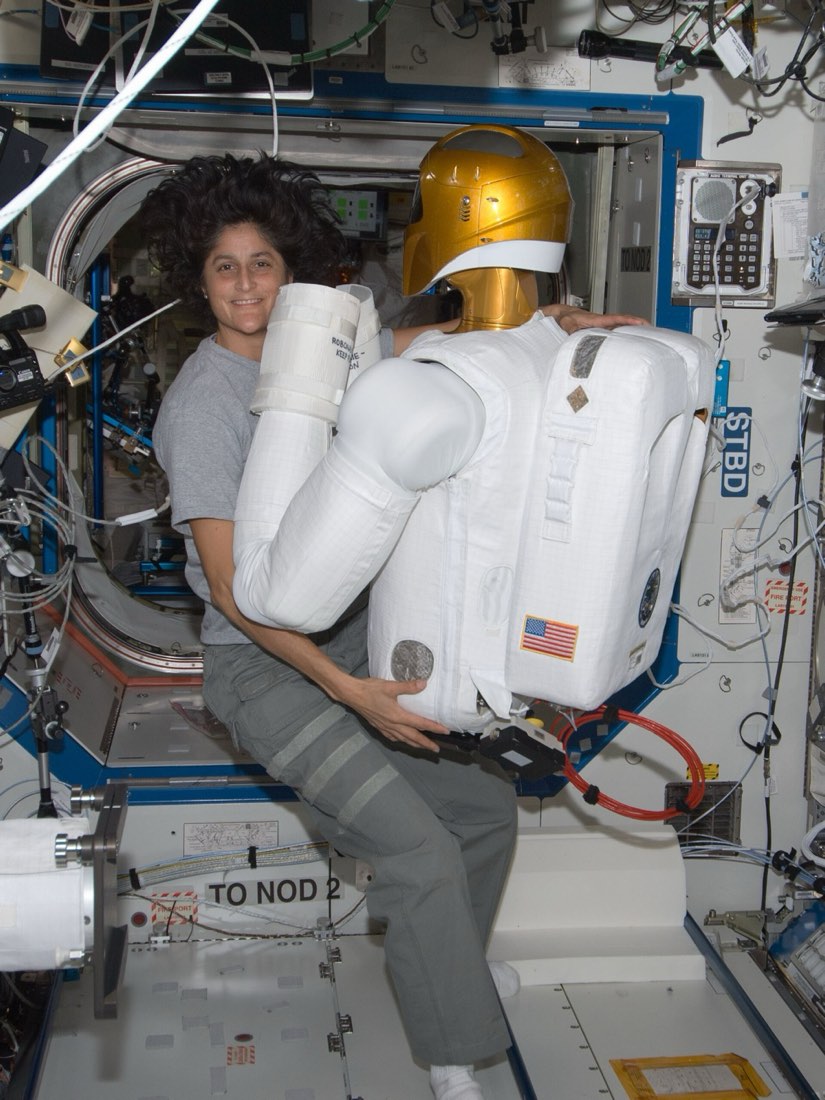
A large share of social robots are bought by universities. Standard platforms such as NAO, Pepper, Furhat, iCub and Misty let researchers run experiments on trust, persuasion, group dynamics, learning and collaboration without building a robot from scratch. Much of what we know about how people respond to robots comes from these studies. See the science.
A pattern across all of these
The most successful applications share three features. The task is narrow and well defined. The robot supports a human professional rather than replacing them. And it does something that genuinely benefits from a physical, social presence, rather than something a phone app could do as well.