 Social Robotics
The machines that pretended to be alive
Long before anyone built a computer, craftsmen built mechanical people and animals that wrote, drew, played music and seemed to think. Many of the greatest were made by magicians. This is the story of automata, and why the art of illusion is the oldest ancestor of social robotics.
Illusion of life
A social robot works by making people feel that something is there: a mind that notices them, listens and responds. A magician works by making people experience something impossible, knowing full well it is a trick. Both depend on the same thing: the way human perception fills in what it expects to see.
For centuries the two crafts were the same craft. The most sophisticated machines of the 18th and 19th centuries were shown not in laboratories but in theatres, fairs and royal courts, as entertainments. Their makers were clockmakers, showmen and conjurors, and the line between a genuine mechanism and a clever deception was part of the fascination.
Every social robot is, in part, a piece of theatre. The question is never only what the machine can do, but what the audience believes it is doing.
That is one reason this site exists. Its maker, Charlie Caper, is a magician as well as a technologist. His stage show Robotricks put robots into a magic act long before he went on to become Chief Creative Officer of the social robotics company Furhat Robotics. For him, building a robot that feels alive and performing a trick that feels impossible are two sides of the same question: how do people decide what is real?
Gods, temples and steam
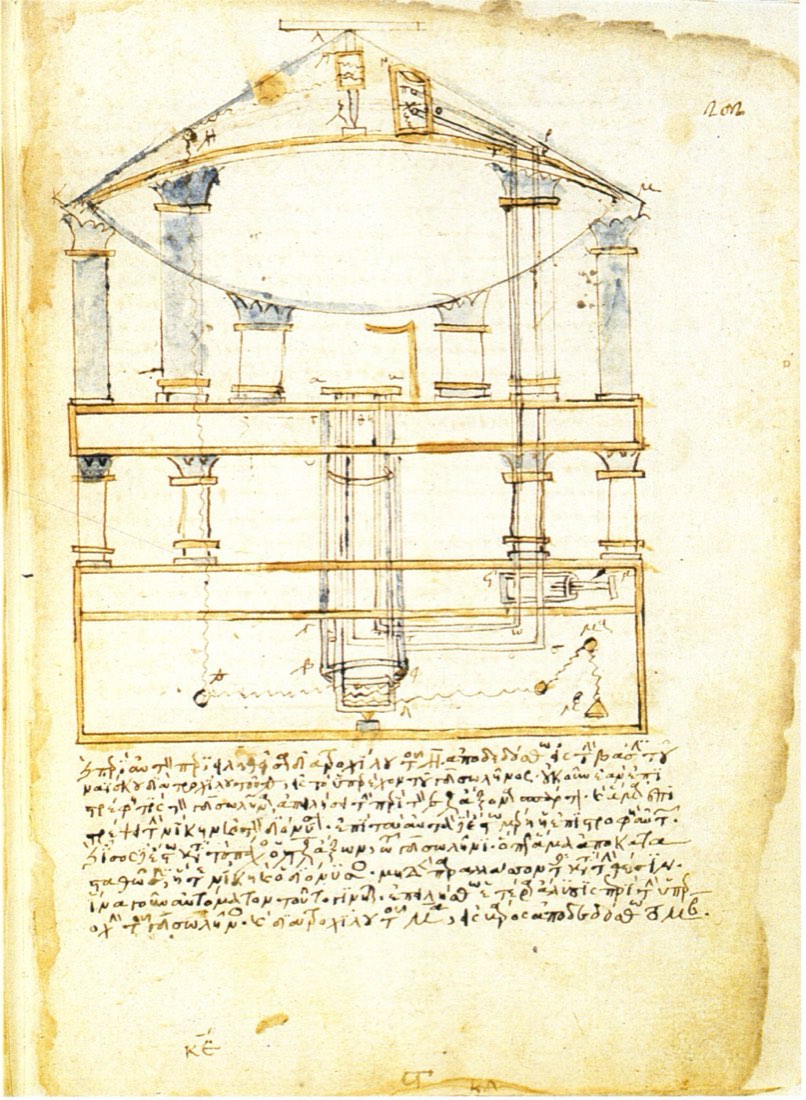
The ancient world was full of stories of moving statues, from the bronze giant Talos of Greek myth to self-moving tripods in Homer's Iliad. Some were real. In the first century CE, Hero of Alexandria wrote treatises describing machines driven by water, air pressure, falling weights and ropes: temple doors that opened when a fire was lit on the altar, singing mechanical birds, and a whole automatic theatre that performed a play with moving figures, sound effects and scene changes.
Hero's machines were partly religious theatre. A door that swung open by itself, or a statue that poured wine, made the gods seem present. Here, at the very beginning, we already see the pattern: a hidden mechanism, a staged effect, and an audience invited to feel that something more than a machine is at work.
A Chinese text, the Liezi, tells of the engineer Yan Shi presenting a life-size mechanical man to King Mu of Zhou. The figure sang and danced so convincingly that it winked at the court ladies, and the furious king nearly had its maker executed until Yan Shi took it apart to show it was made of leather, wood and glue.
Programmable musicians
In ninth-century Baghdad, the three Banu Musa brothers described a flute player driven by a rotating cylinder with pins, which could be changed to play different tunes. It is often called the first programmable machine.
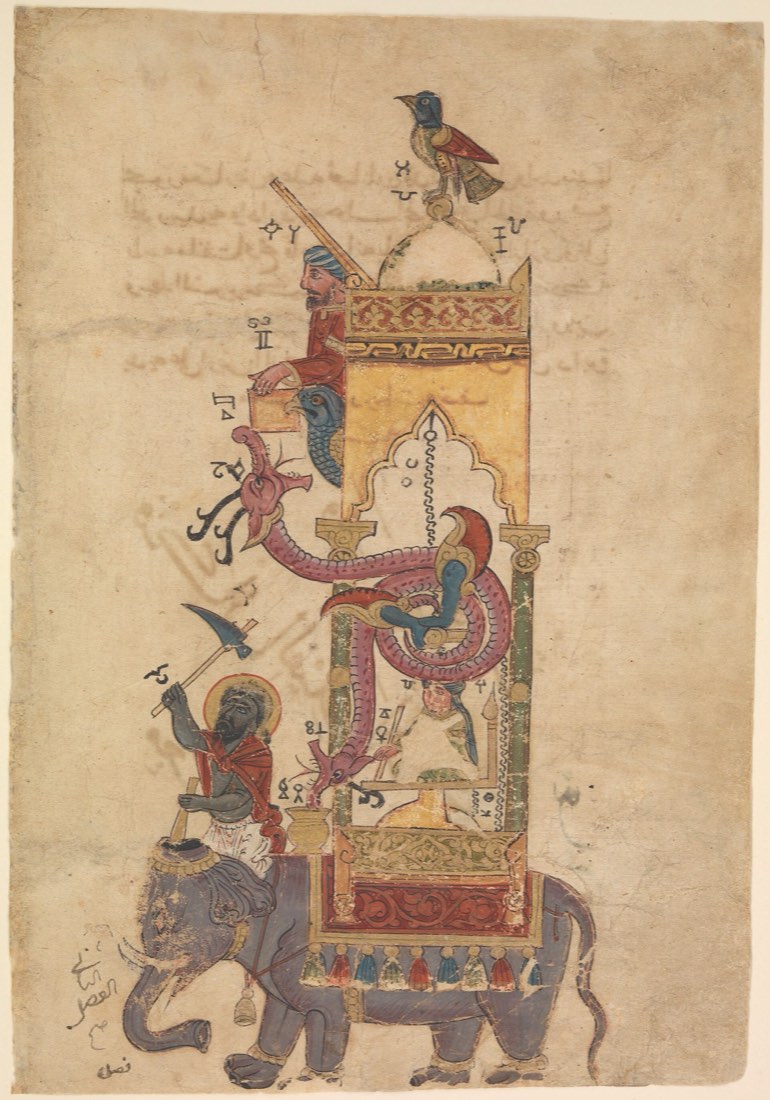
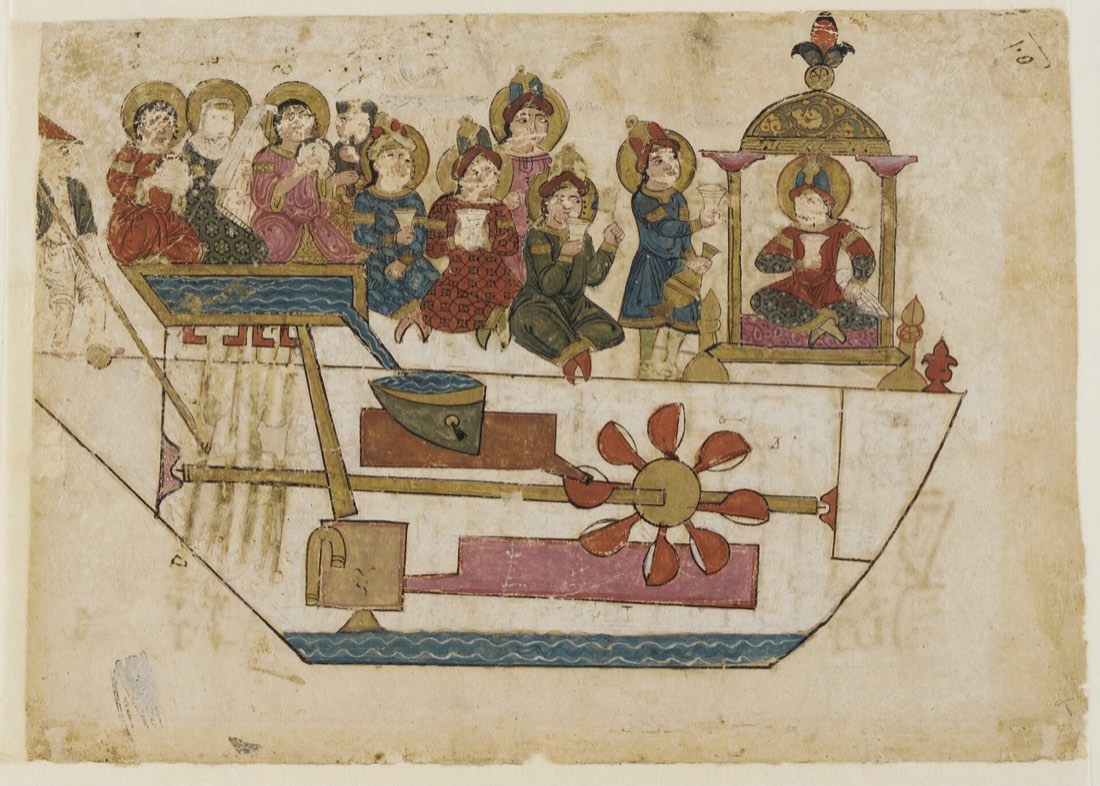
In 1206, the engineer Ismail al-Jazari, working for the Artuqid court in what is now south-eastern Turkey, completed his Book of Knowledge of Ingenious Mechanical Devices. It describes some fifty machines in careful detail, including water clocks with moving figures, a hand-washing automaton in the form of a servant that offered soap and towel, and a boat of mechanical musicians that floated on a lake and played for royal drinking parties.
The musicians' rhythms could be changed by moving pegs on a rotating drum. It was a way of storing a sequence of actions in a mechanism: in a real sense, a program.
The brazen heads that answered yes or no
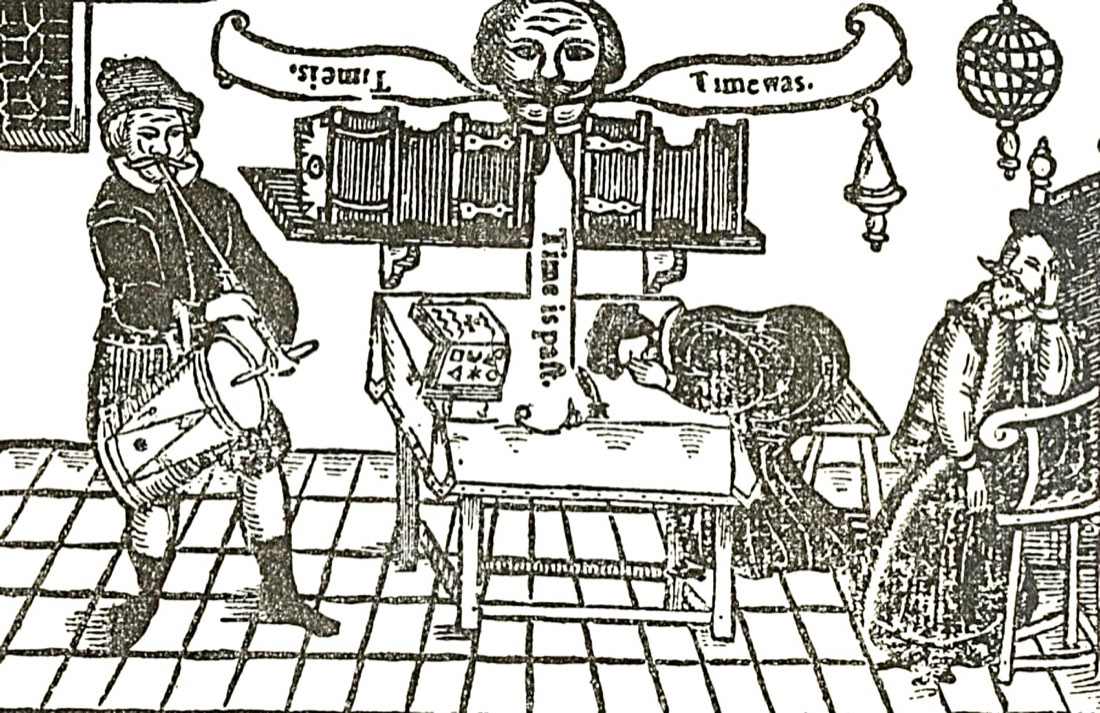
Medieval Europe had its own legends of thinking machines: brazen heads, mechanical or magical heads of bronze or brass that could answer any question. In the earliest account, written by William of Malmesbury around 1125, a head owned by the scholar who became Pope Sylvester II spoke only when spoken to, and answered only "yes" or "no".
Later stories gave talking heads to the philosopher Albertus Magnus, whose student Thomas Aquinas was said to have smashed it for chattering, and to the English friar Roger Bacon, who laboured for years on a head that finally spoke while he slept, said "Time is, Time was, Time is past", and shattered.
These were legends, not machines. But they captured an idea that still drives AI: a box you can ask anything. The oracle that answers only yes or no is, in a sense, the simplest possible conversational interface.
The owl at the Magic Castle
The tradition lives on in an unlikely place. At the Magic Castle in Hollywood, the private clubhouse of the Academy of Magical Arts since 1963, an owl perched above the bar in the Owl Bar has become one of the club's quieter legends. Visitors report that it blinks and nods its head, and that if you put a yes-or-no question to it, it answers with a nod or a shake.
It is about as simple as a social machine can be: no speech, no face to speak of, just a head that moves. Yet people talk to it, ask it things and laugh at its answers. That is the whole lesson of social robotics in miniature: the social response is triggered by surprisingly little, and the rest is supplied by the audience.
Karakuri: the tea-serving doll
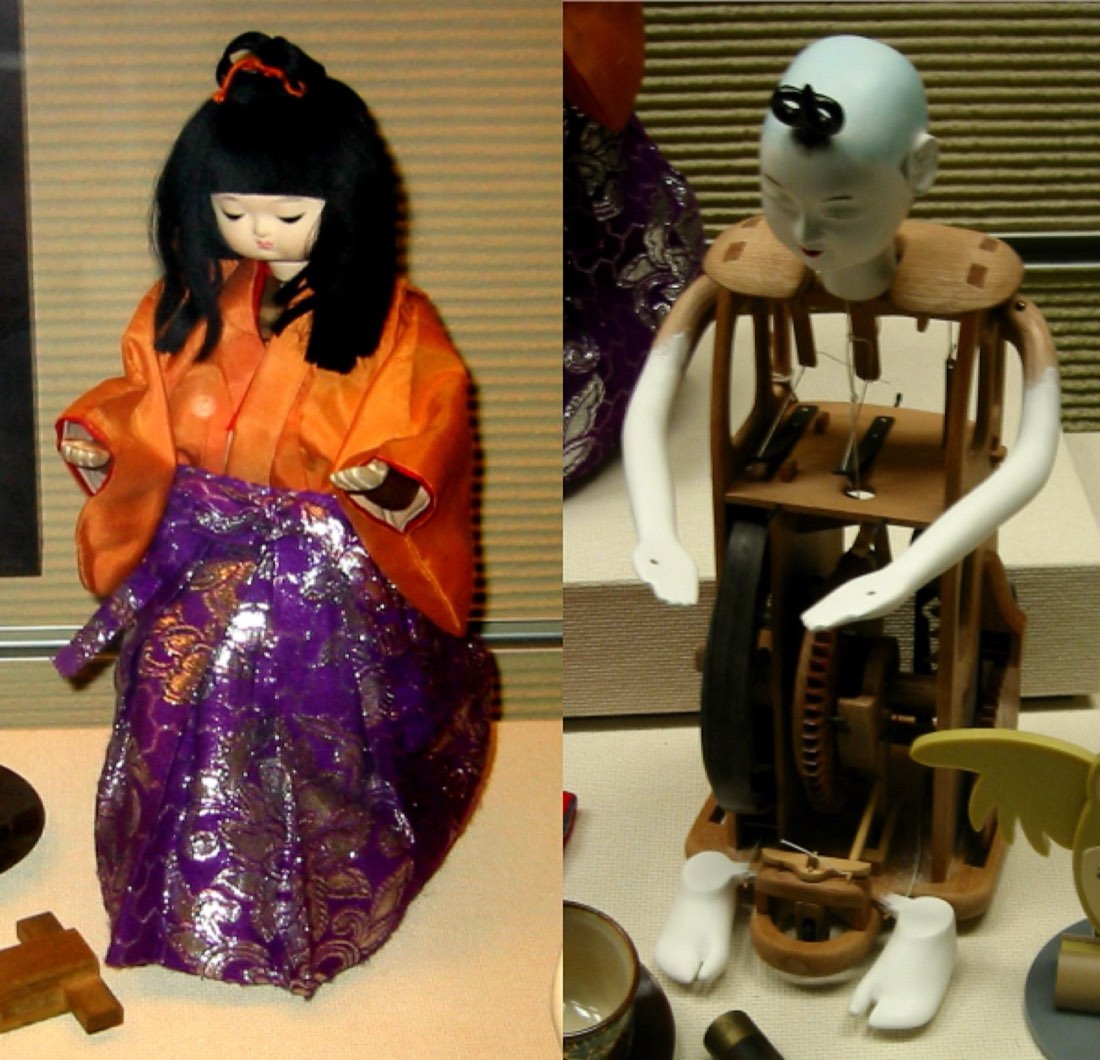
In Japan, Western clockwork arrived in the 16th and 17th centuries and was transformed into karakuri ningyo, mechanical dolls. The most famous is the tea-serving doll: a host places a cup of tea on the tray in its hands, and the doll walks across the room to a guest, bows, and waits. When the guest lifts the cup, it stops; when the empty cup is replaced, it turns and walks back.
In 1796 Hosokawa Hanzo Yorinao published the Karakuri Zui, an illustrated manual explaining how to build such dolls, with mechanisms made largely of wood and powered by whale-baleen springs.
The tea-serving doll is a striking ancestor of today's service and social robots. It took part in a social ritual, responded to a human action, and was valued less for what it did than for the delight and gentle surprise of the encounter. Many historians link Japan's enduring affection for robots to this tradition.
The age of androids
The 18th century was the golden age of the scientific automaton. Inventors used them to explore a provocative question of the Enlightenment: if living things are machines, can a machine be alive?
Vaucanson's flute player and duck
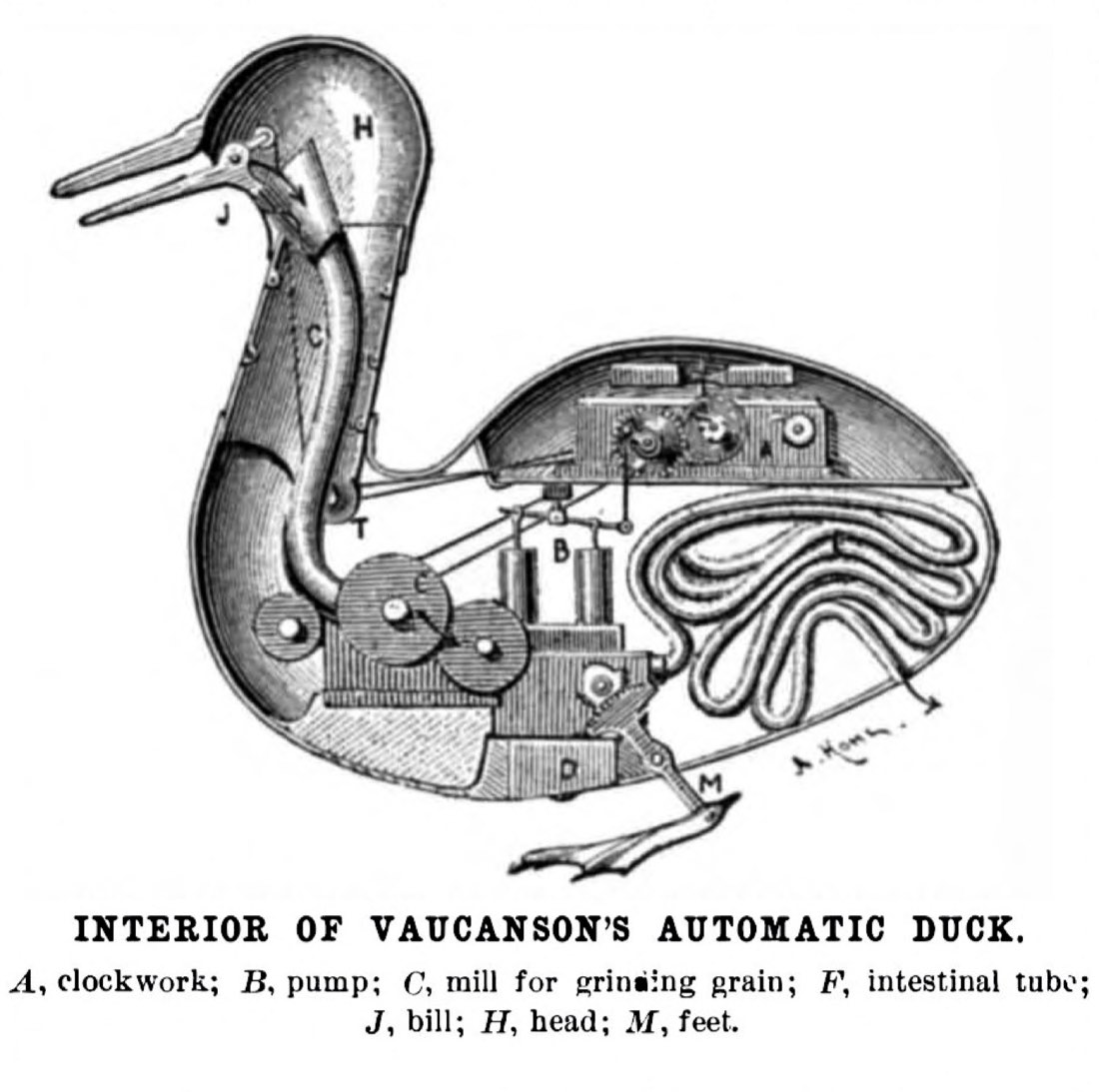
In 1738 Jacques de Vaucanson exhibited in Paris a life-size flute player that actually played the instrument, with air from bellows passing over moving lips and fingers, and could perform a dozen tunes. In 1739 he added the Digesting Duck, which flapped its wings, ate grain and then excreted it. The digestion was a fake: the "droppings" were prepared in advance. According to his memoirs, it was Robert-Houdin, the magician, who discovered this when he was asked to repair the duck in the 1840s. Even the most celebrated scientific automaton of its age relied on a conjuring trick.
The Jaquet-Droz androids
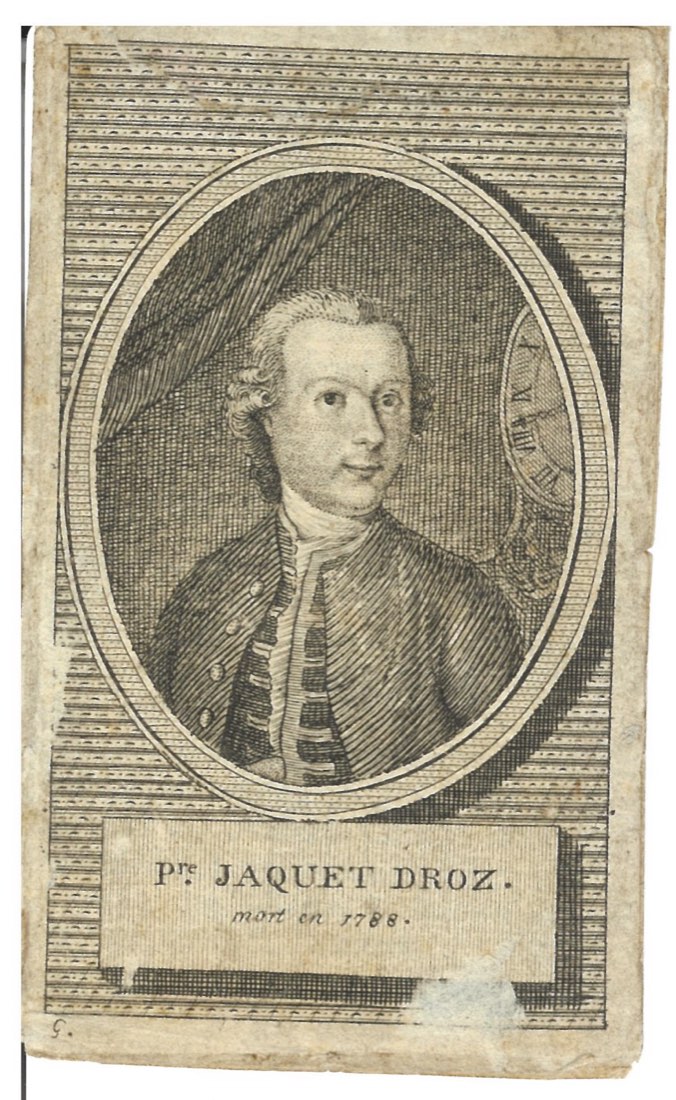
Between about 1768 and 1774, the Swiss watchmaker Pierre Jaquet-Droz, his son Henri-Louis and Jean-Frédéric Leschot built three child-like figures. The Writer dips a quill in ink and writes any text of up to 40 letters, set by a wheel of interchangeable characters. The Draughtsman draws four different pictures. The Musician, a young woman, plays a real organ with her fingers, while her chest rises and falls as if breathing and her eyes follow her hands.
They toured the courts of Europe as a marketing exercise for the family's watches, and they still work today, in the Museum of Art and History in Neuchâtel. The Writer is often called an ancestor of the computer, because its output is set by a programmable sequence.
Maillardet's automaton
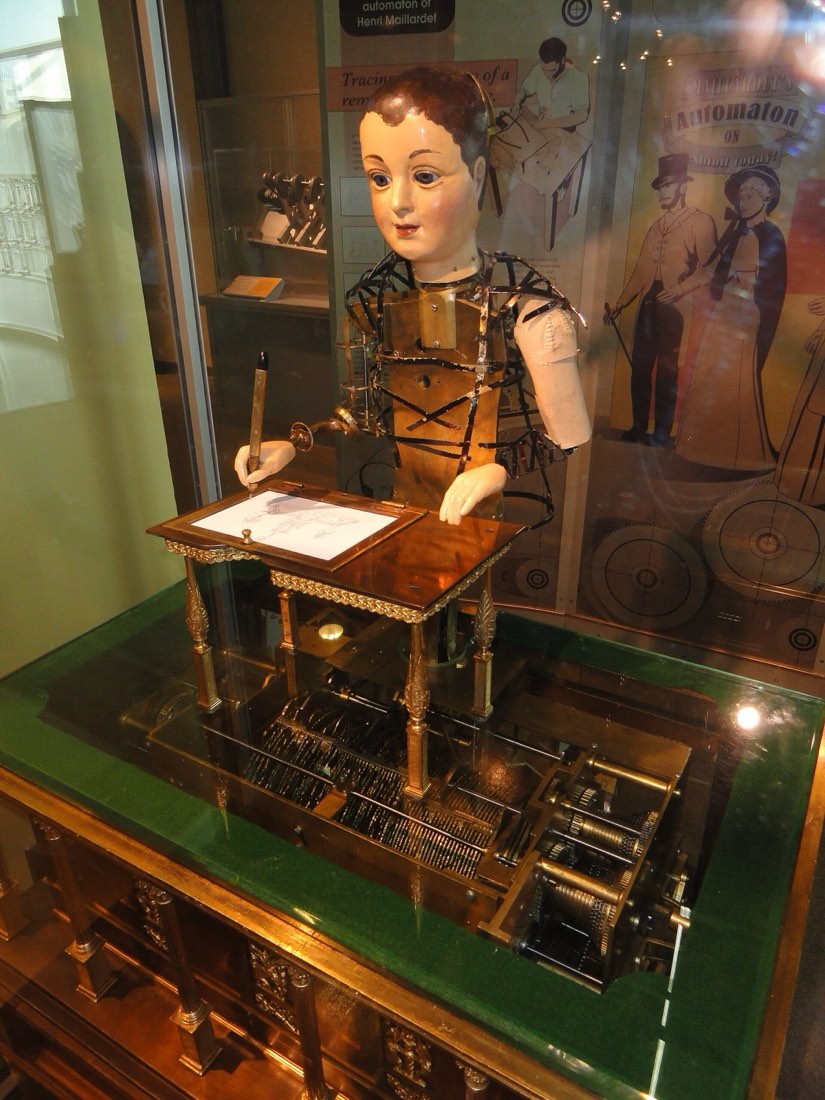
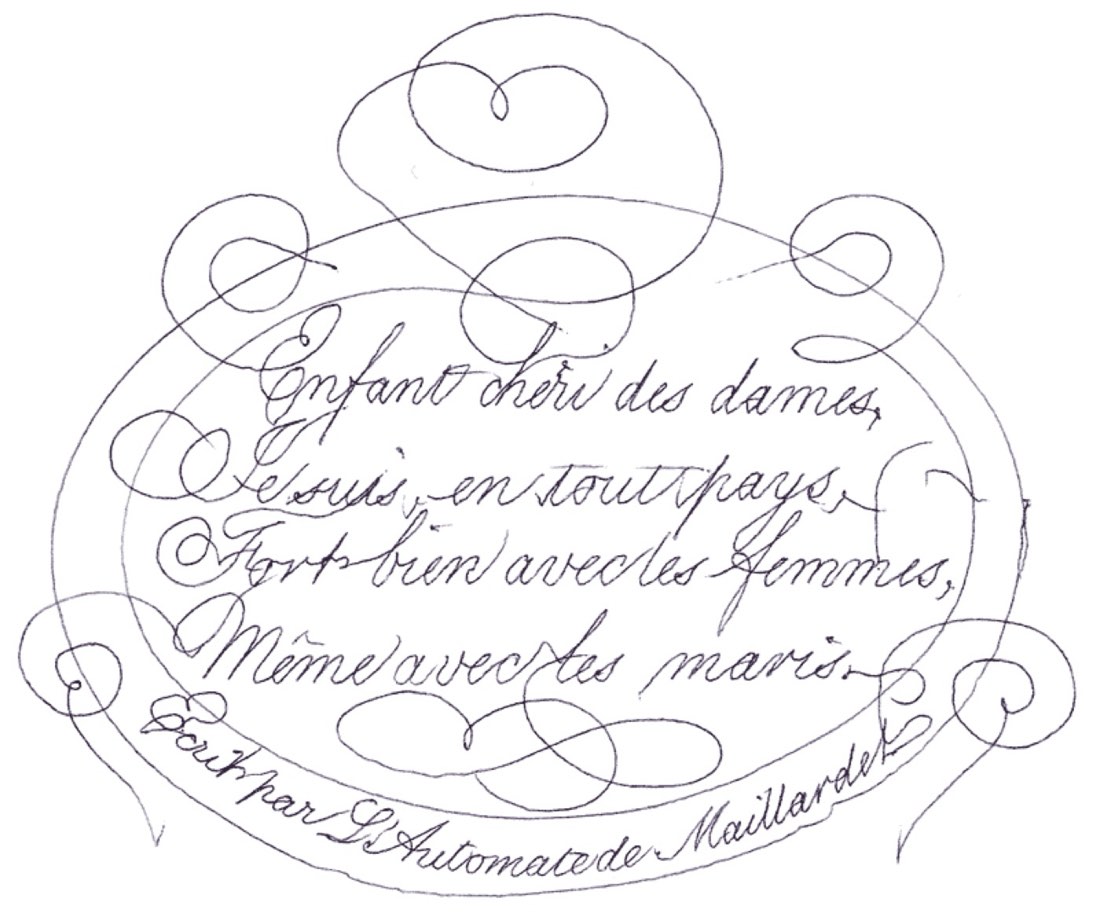
Around 1800, the Swiss mechanician Henri Maillardet, who had worked with Jaquet-Droz, built a boy seated at a desk who could draw four detailed pictures and write three poems, two in French and one in English. Its "memory" was stored in brass cams, larger than in any other automaton of its kind.
In 1928 the battered machine was donated to the Franklin Institute in Philadelphia. When it was restored, it wrote a line that revealed its own maker. It later inspired Brian Selznick's book The Invention of Hugo Cabret and Martin Scorsese's film Hugo.
The Mechanical Turk
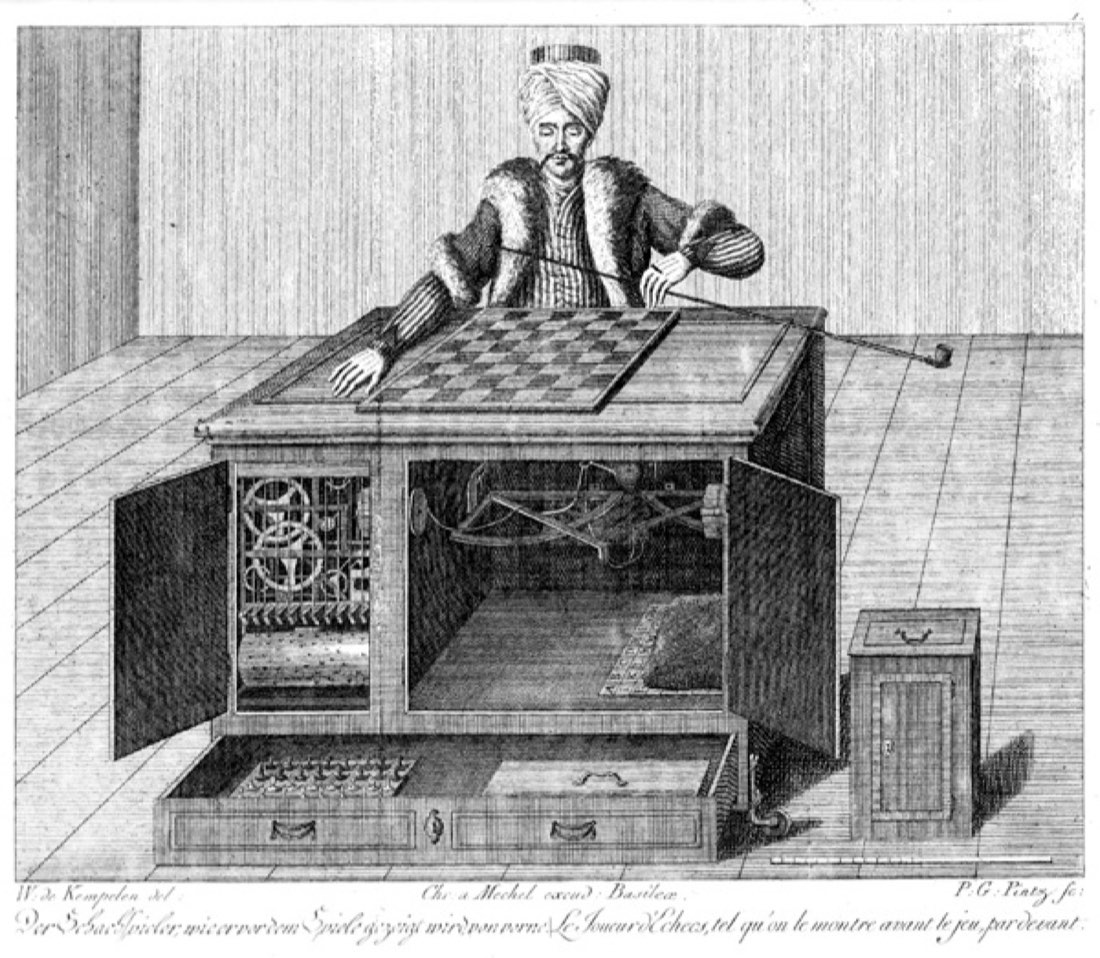
In 1770 the Hungarian inventor Wolfgang von Kempelen presented a machine to the Empress Maria Theresa in Vienna: a life-size figure dressed in Turkish robes, seated at a cabinet with a chessboard. It played chess against human challengers, and usually won.
Before each game, the showman opened the cabinet's doors one by one to reveal a dense clockwork, classic misdirection designed to prove nothing human could fit inside. In fact a strong chess player was hidden in the cabinet, sliding on a seat as the doors were opened, and following the game through magnets under the board.
The Turk toured Europe and America for more than 80 years. It is said to have played Napoleon Bonaparte and Benjamin Franklin, and it was investigated by Edgar Allan Poe. It inspired Charles Babbage, who saw it in 1819, and it was finally destroyed by fire in Philadelphia in 1854.
Its legacy is alive in AI. Amazon named its crowd-work platform Mechanical Turk, where hidden humans do tasks that appear automated. And in human-robot interaction research, the "Wizard of Oz" method, in which a hidden operator controls a robot, is the Turk turned into a scientific tool.
Jean-Eugène Robert-Houdin
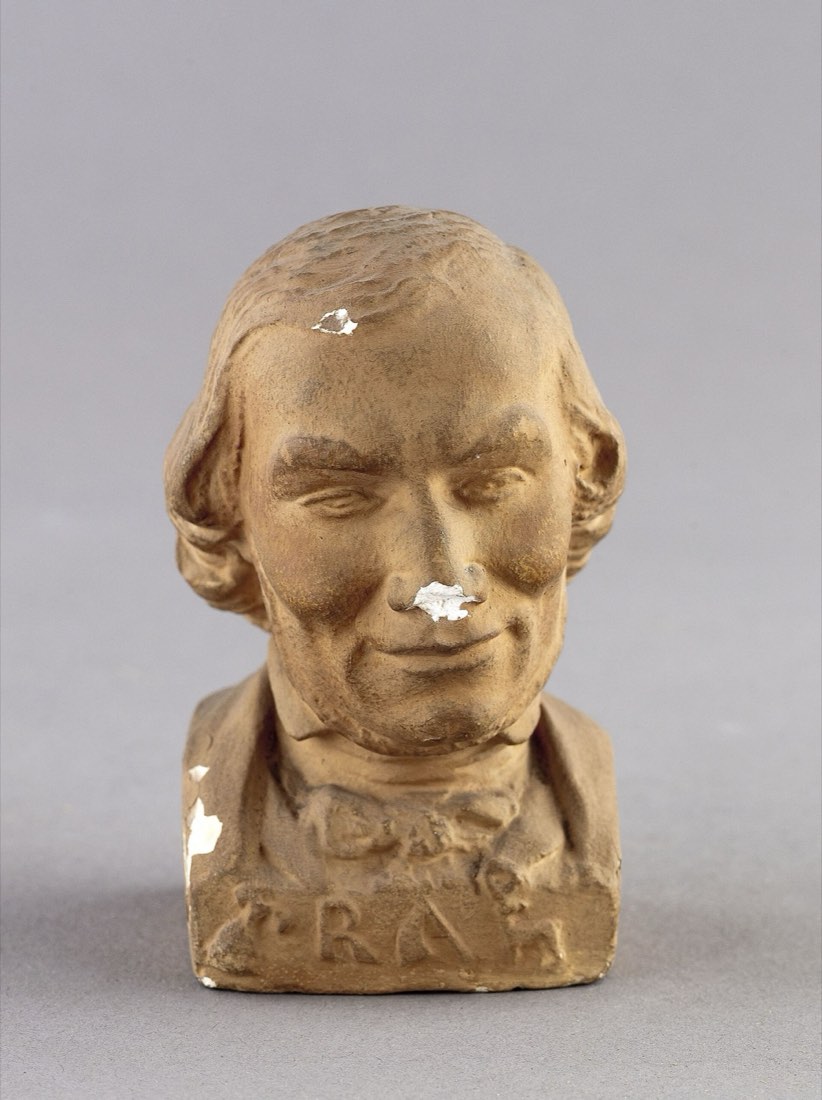
If one person embodies the link between automata and magic, it is Jean-Eugène Robert-Houdin (1805-1871), often called the father of modern magic.
Born in Blois, the son of a watchmaker, he trained as a clockmaker himself. His fascination with magic began, by his own account, when a bookseller handed him a book on conjuring by mistake. For years he combined the two passions, building automata and mechanical clocks in Paris while learning sleight of hand.
The automata
His workshop produced remarkable machines: a writing and drawing figure that he showed to King Louis-Philippe and that was later sold to the American showman P. T. Barnum, a tightrope dancer, singing birds, and an automaton that performed the classic cups-and-balls trick. He is also credited with inventing the "mystery clock", whose hands seem to float in a transparent dial with no visible connection to any mechanism.
The theatre
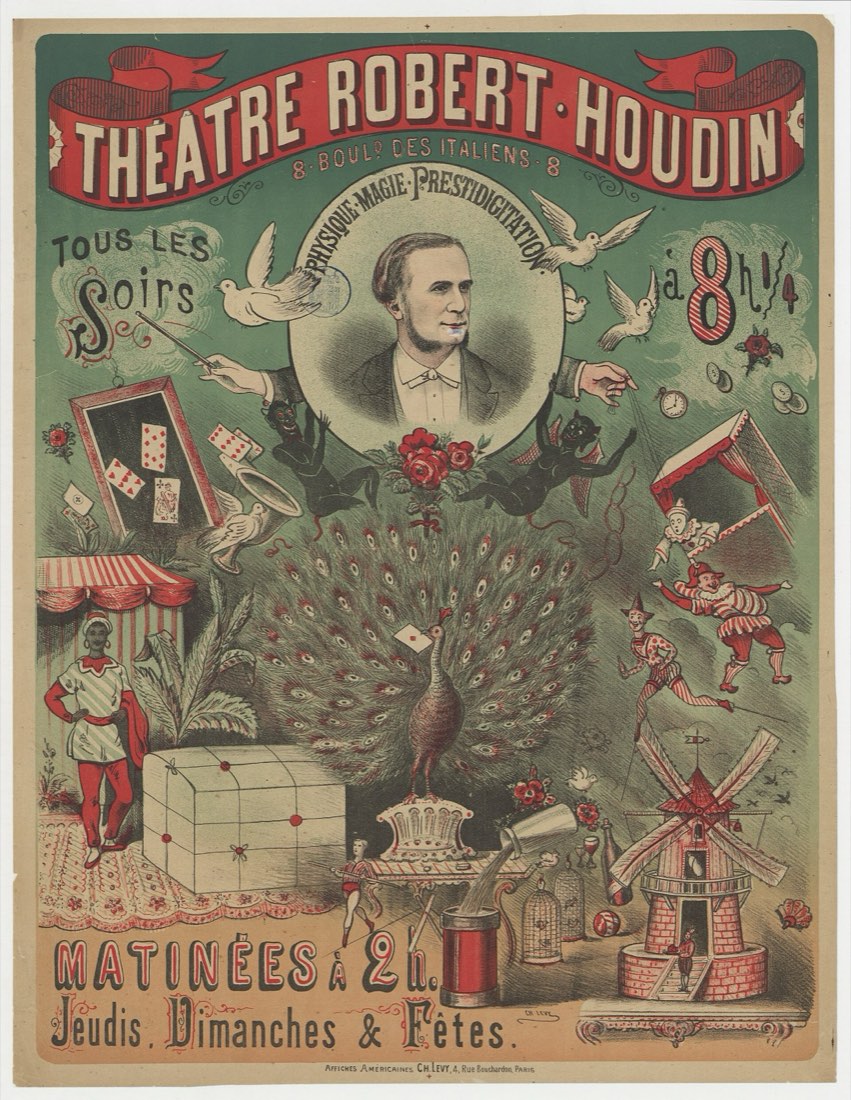
On 3 July 1845 he opened a small, 200-seat theatre at the Palais-Royal in Paris, presenting what he called "Soirées fantastiques". He moved the theatre to the Boulevard des Italiens in 1852. Instead of the robes and cluttered tables of fairground conjurors, he performed in ordinary evening dress on a clean, elegant stage, a style magicians still follow.
His shows mixed sleight of hand with mechanical marvels. In his famous Orange Tree, a small tree blossomed and grew real oranges on stage; one orange split open and two mechanical butterflies emerged carrying a borrowed handkerchief. In Second Sight, his son, blindfolded, named objects handed to his father by the audience. In the Light and Heavy Chest, a small box that a child could lift became impossible for a strong man to move: an early stage use of the electromagnet, then a little-known scientific curiosity.
Magic as technology
Robert-Houdin understood that the most convincing illusions came from real engineering the audience did not know about. His Light and Heavy Chest worked because the public had not heard of electromagnetism. In 1856 the French government even sent him to Algeria, where he used the trick to impress local leaders with what France presented as superior powers.
That idea, that sufficiently advanced technology presented the right way looks like magic, runs straight through to today's robots and AI demonstrations.
His legacy
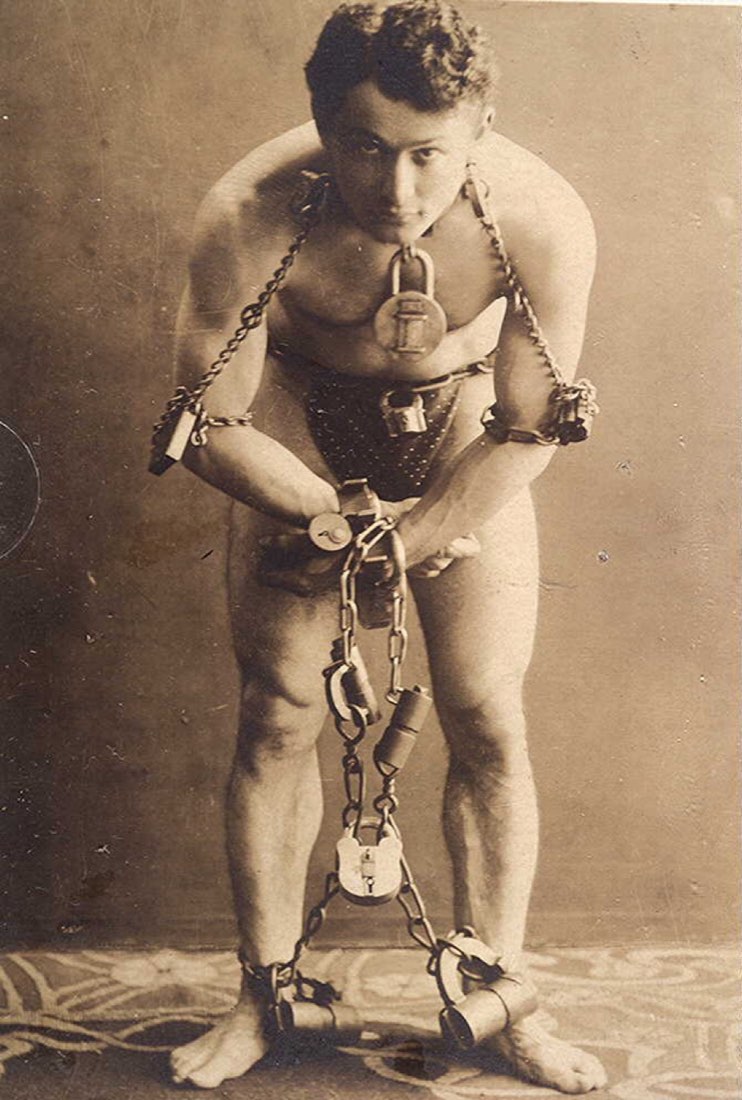
In 1890 a young Hungarian-American performer named Erik Weisz read Robert-Houdin's memoirs and was so inspired that he named himself Houdini. (He later turned against his idol, publishing a book attacking him in 1908.)
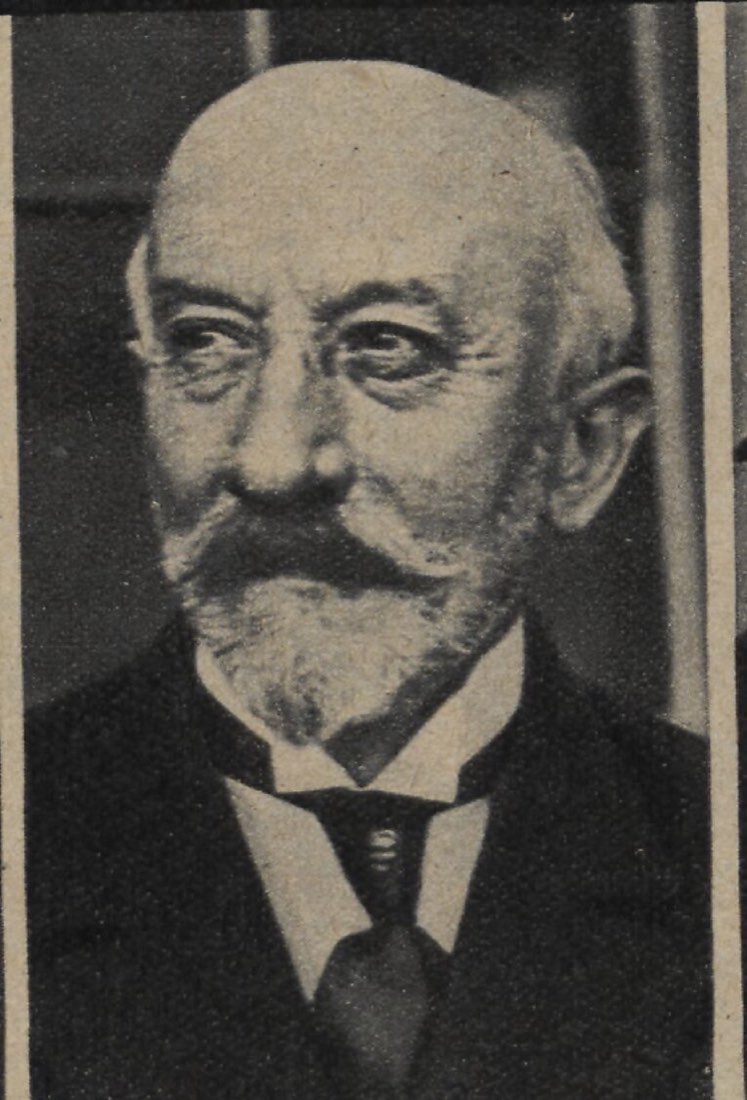
And in 1888 the Théâtre Robert-Houdin was bought by another magician with a mechanical bent: Georges Méliès. Méliès performed magic there and looked after the theatre's automata, and after seeing the Lumière brothers' films in 1895 he began making movies, presenting them in the same theatre. Pioneering the special effect, he turned stage illusion into cinema. The line from clockwork automata, through stage magic, to film and on to computer graphics and robots is unbroken.
Psycho, Zoe and the London stage
Victorian London had its own magician-engineer in John Nevil Maskelyne, who presented magic for decades at the Egyptian Hall in Piccadilly. In 1875 he and the engineer John Algernon Clarke unveiled Psycho, a small figure of a seated man that played whist and performed calculations, choosing cards with its mechanical hand. It sat on a transparent glass cylinder, so audiences could see that nothing connected it to the stage. How it worked remained a secret for decades. A companion figure, Zoe, could draw portraits.
Psycho was a deliberate echo of the Turk, but staged as an open challenge: here is a machine that seems to think; work out how. That invitation, half science and half showmanship, still shapes how robots are presented to the public.
The golden age of automata, and the coming of the robot
Between about 1860 and 1910, workshops in Paris such as those of Gustave Vichy and Roullet-Decamps exported thousands of clockwork automata: smoking dandies, acrobatic clowns, conjurors performing tricks, writing pierrots and singing birds in cages. Automata moved from royal courts into bourgeois parlours and shop windows.
Then the vocabulary changed. In 1920 Karel Čapek's play R.U.R. introduced the word "robot", and the 20th century imagined mechanical people not as delicate marvels but as workers and rivals.
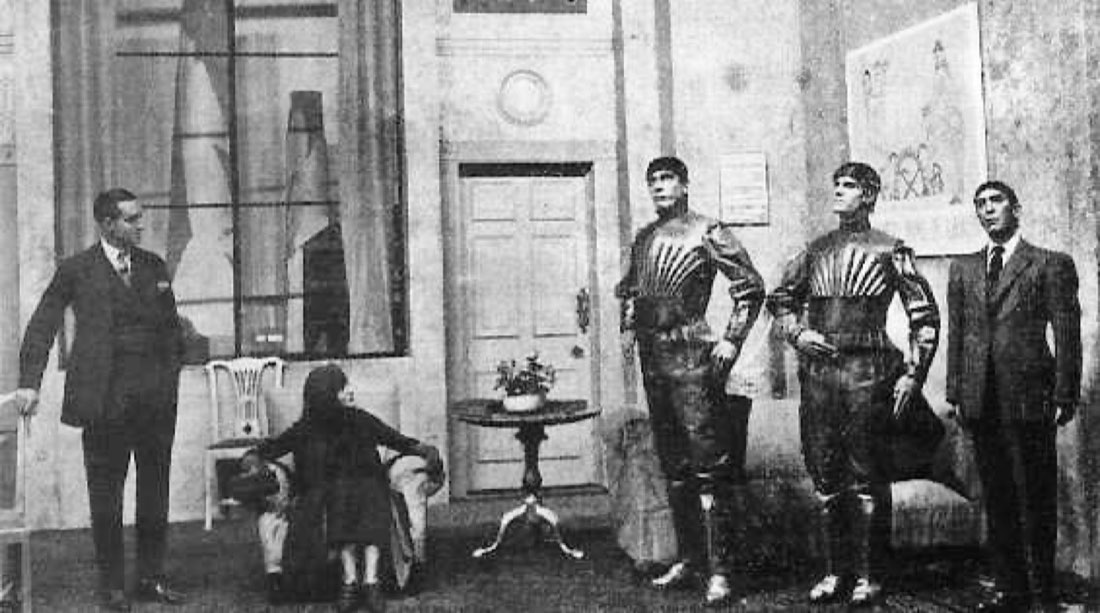
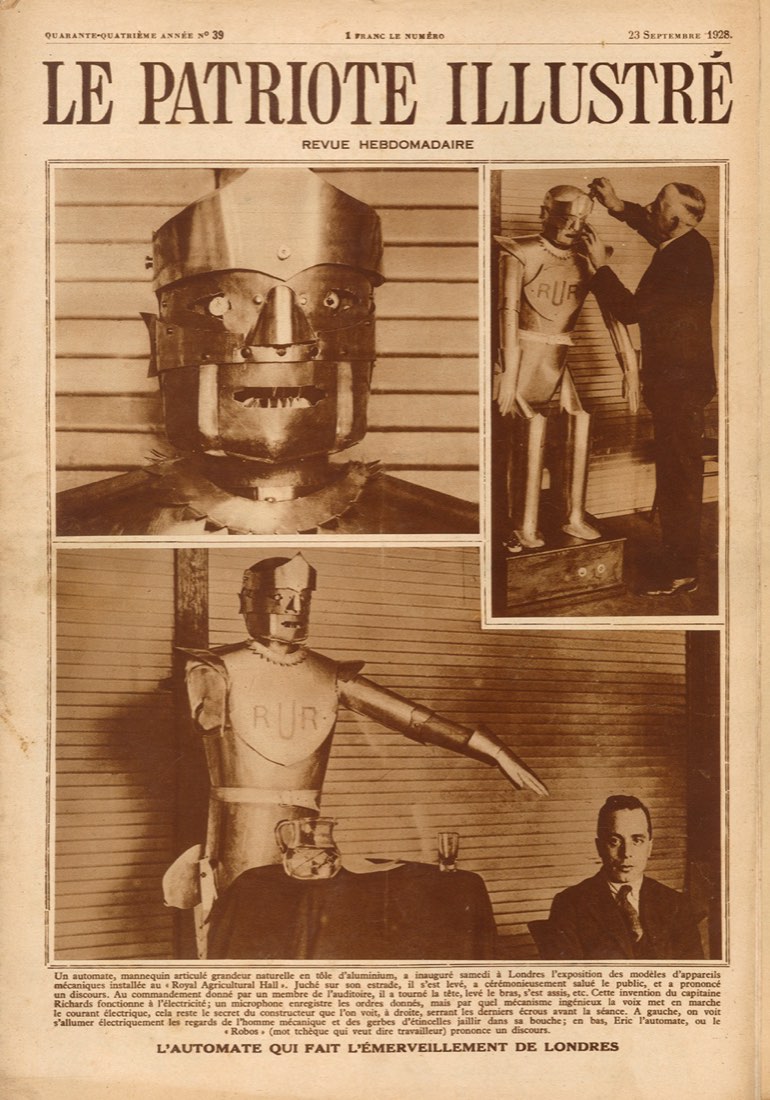
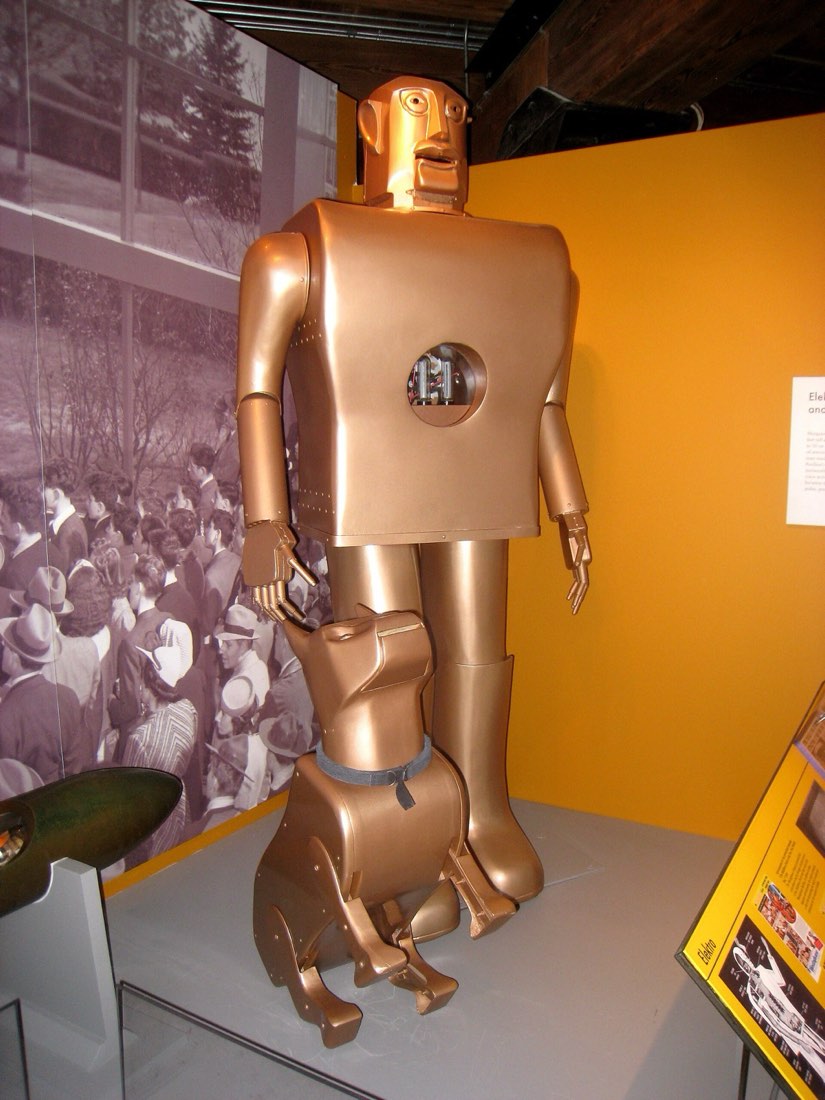
Early robots like Eric (1928) and Westinghouse's Elektro (1939) were still showpieces in the automaton tradition. Elektro walked, counted on its fingers and smoked cigarettes, and responded to spoken commands from a human presenter, its replies played from records. Showmanship, hidden helpers and an audience eager to believe: the same ingredients as Kempelen's Turk, a century and a half later.
What magic teaches social robotics
Magicians and robot designers face the same problem from opposite sides. The magician wants the audience to believe something false while knowing it is a trick. The social robot designer wants people to engage naturally with a machine while understanding what it really is. Both crafts rest on the same insights:
- Attention is everything. Magicians direct where you look with gaze, gesture and timing. So do good social robots: gaze is their most powerful signal.
- Timing creates life. A tiny pause, a glance away, a reaction at exactly the right moment is what makes an automaton or a robot seem to think.
- The audience completes the effect. People fill in a mind, a motive, a personality, from very little: a nodding owl, a seal that coos, a head that turns towards them.
- Hidden mechanisms raise ethical questions. A magician's audience has agreed to be fooled. A robot's user often has not. The Turk, the Digesting Duck and Elektro all hid humans or tricks; today's robot demonstrations sometimes do too.
- Wonder is a feature. The delight of an encounter with something that seems alive is not a distraction from the technology. For many social robots, it is the point.
Seen this way, a modern social robot such as Furhat is part of a very long tradition: from Hero's temple doors and al-Jazari's musicians, through Robert-Houdin's orange tree and the Magic Castle's owl, to machines that can now hold a real conversation. Continue the story with the history of artificial intelligence or meet the social robots of today.